It's that time of year again! Here are my predictions for the countries of Eastern Europe. Last year I got 9 of the 18 submissions correct....and I'm feeling more confident this year. Let's see.....
Bulgaria, Croatia, Lithuania and tiny Montenegro (!) have particularly difficult decisions to make this year.
Last year, this region only got two spots on the shortlist (for Czech Republic and Latvia) while they deserved at least three....Latvia, plus Albania and Romania.

 ALBANIA- “Luna Park” Albania should have a fairly
easy decision this year. I predicted “Luna Park”, a coming-of-age tale set during
the early days of Albania’s chaotic and violent post-Communist era, in 2023.
The film was delayed but finally premiered to excellent reviews at Thessaloniki
2024. Director Florenc Papas was selected in 2020 for his debut feature “Open
Door”, and “Luna Park” marks the return to Albanian cinema of local star Nik
Xhelilaj, who has been working mostly in Germany and Turkey for the past
decade. Also in its favor….it’s the only Albanian film on the international
circuit this year and I’ve no idea what else they would send.
ALBANIA- “Luna Park” Albania should have a fairly
easy decision this year. I predicted “Luna Park”, a coming-of-age tale set during
the early days of Albania’s chaotic and violent post-Communist era, in 2023.
The film was delayed but finally premiered to excellent reviews at Thessaloniki
2024. Director Florenc Papas was selected in 2020 for his debut feature “Open
Door”, and “Luna Park” marks the return to Albanian cinema of local star Nik
Xhelilaj, who has been working mostly in Germany and Turkey for the past
decade. Also in its favor….it’s the only Albanian film on the international
circuit this year and I’ve no idea what else they would send.

 ARMENIA- “Thus Spoke the Wind” For now, Armenia’s submission
looks likely to be “Thus Spoke the Wind” (Karlovy Vary), a crime drama set in a
poor village, seen through the eyes of a child. I was originally going to
predict “After Dreaming”, an abstract non-linear “meditation on war” that
premiered at a Berlinale sidebar in 2025 and was the only Armenian feature competing
at the local Golden Apricot Film Festival. Like “Amerikatsi”, it has an
Armenian-American director….but this film looks way too weird to repeat “Amerikatsi”’s
shortlist feat so I think it will come second place. Also possible: documentaries “Alone”, about a French
filmmaker learning about her Armenia roots by researching ancestors who lived
during the 1915 Armenian Genocide, or “Fight”, about a young girl who wishes to
be a veterinarian against the wishes of her conservative family. The Armenian
Academy got some flack last year for picking a comedy over an acclaimed nationalist
documentary….but I personally loved the quirky “Yasha & Leonid Brezhnev”
which was a breath of fresh air among last year’s overdramatic submissions.
ARMENIA- “Thus Spoke the Wind” For now, Armenia’s submission
looks likely to be “Thus Spoke the Wind” (Karlovy Vary), a crime drama set in a
poor village, seen through the eyes of a child. I was originally going to
predict “After Dreaming”, an abstract non-linear “meditation on war” that
premiered at a Berlinale sidebar in 2025 and was the only Armenian feature competing
at the local Golden Apricot Film Festival. Like “Amerikatsi”, it has an
Armenian-American director….but this film looks way too weird to repeat “Amerikatsi”’s
shortlist feat so I think it will come second place. Also possible: documentaries “Alone”, about a French
filmmaker learning about her Armenia roots by researching ancestors who lived
during the 1915 Armenian Genocide, or “Fight”, about a young girl who wishes to
be a veterinarian against the wishes of her conservative family. The Armenian
Academy got some flack last year for picking a comedy over an acclaimed nationalist
documentary….but I personally loved the quirky “Yasha & Leonid Brezhnev”
which was a breath of fresh air among last year’s overdramatic submissions.

 AZERBAIJAN- “Motherland” Azerbaijan doesn’t usually
send a film – they’ve only done so three times in the past ten years - but now
that I’m living in Baku again I really hope they return! And the good news is
that they launched an official call for submissions in June so things are
looking up. This year Azerbaijan had a very warmly received film called “My
Magical World” at the GoEast film festival in Germany and a weird arty film Out
of Competition at Venice by prolific director Hilal Baydarov. Let’s hope they
send “My Magical World”, which is about a talented aspiring folk singer who is
trying to get on a prominent local TV show. The problem is that I don’t think
it has screened in Azerbaijani cinemas…or cinemas in any other country. The most
likely candidate that did play in Azerbaijani cinemas is probably “Motherland”,
a patriotic film set during the wars with Armenia in the 1990s. It was advertised
as the first film to be partially filmed in the territories recovered from
Armenian occupation in 2020. Most importantly, director Ilgar Safat got the
Azerbaijanis to fill out the paperwork and submit one of his previous films in
2010. They also could send “Azerbaijan Atabəyləri”, a historical costume drama
that looks like the movies neighboring Kazakhstan likes to send. But it’s also
very possible neither of these has any English subtitles….“My Magical World”
would really be their best bet.
AZERBAIJAN- “Motherland” Azerbaijan doesn’t usually
send a film – they’ve only done so three times in the past ten years - but now
that I’m living in Baku again I really hope they return! And the good news is
that they launched an official call for submissions in June so things are
looking up. This year Azerbaijan had a very warmly received film called “My
Magical World” at the GoEast film festival in Germany and a weird arty film Out
of Competition at Venice by prolific director Hilal Baydarov. Let’s hope they
send “My Magical World”, which is about a talented aspiring folk singer who is
trying to get on a prominent local TV show. The problem is that I don’t think
it has screened in Azerbaijani cinemas…or cinemas in any other country. The most
likely candidate that did play in Azerbaijani cinemas is probably “Motherland”,
a patriotic film set during the wars with Armenia in the 1990s. It was advertised
as the first film to be partially filmed in the territories recovered from
Armenian occupation in 2020. Most importantly, director Ilgar Safat got the
Azerbaijanis to fill out the paperwork and submit one of his previous films in
2010. They also could send “Azerbaijan Atabəyləri”, a historical costume drama
that looks like the movies neighboring Kazakhstan likes to send. But it’s also
very possible neither of these has any English subtitles….“My Magical World”
would really be their best bet.

 BELARUS- “Kinoshiki” Of course Belarus will not
submit a film. They sent a few films from 1994-1996 and again 2018-2020 but
were never a regular participant in this category. Since their 2020
disqualification and their 2022 backing for the Russian invasion of Ukraine,
they’ve been absent. If the government-allied committee did send a film, it
would likely be “Kinoshiki”, a comedy about filmmaking that opened the national
Listapad Film Festival in 2024. If they organize a committee in exile, then it
would probably be “Motherland”, a documentary about army violence, by two
Belarusian filmmakers, and which got financial support from the EU.
BELARUS- “Kinoshiki” Of course Belarus will not
submit a film. They sent a few films from 1994-1996 and again 2018-2020 but
were never a regular participant in this category. Since their 2020
disqualification and their 2022 backing for the Russian invasion of Ukraine,
they’ve been absent. If the government-allied committee did send a film, it
would likely be “Kinoshiki”, a comedy about filmmaking that opened the national
Listapad Film Festival in 2024. If they organize a committee in exile, then it
would probably be “Motherland”, a documentary about army violence, by two
Belarusian filmmakers, and which got financial support from the EU.

 BOSNIA-HERZEGOVINA- “The Pavilion” Bosnia is likely
to send black comedy “The Pavilion”, starring Rade Šerbedžija, which will open
the Sarajevo Film Festival in August. It’s about a residents who rebel against care in a substandard nursing home and could be Bosnia's strongest entry in years. Bosnia
usually does not have trouble getting a qualifying release for its Oscar
contenders but if “The Pavilion” isn’t eligible, I suspect they may send “Blum
– Masters of their Own Destiny”, a documentary by Oscar nominee and Berlinale
Golden Bear winner Jasmila Zbanic (“Quo Vadis Aida?”, “Grbavica”) about a
Yugoslavian Jew who became one of his country’s leading industrialists during
the Communist era. Two dark horses: “The Will”, another dark comedy, this time a
sequel to a popular film, set in a village in the waning days of Communism (it would
also require a qualifying release); and “When Santa Was a Communist”, a third
black comedy (the Bosnians do these well), which could benefit from its
U.S.-based director.
BOSNIA-HERZEGOVINA- “The Pavilion” Bosnia is likely
to send black comedy “The Pavilion”, starring Rade Šerbedžija, which will open
the Sarajevo Film Festival in August. It’s about a residents who rebel against care in a substandard nursing home and could be Bosnia's strongest entry in years. Bosnia
usually does not have trouble getting a qualifying release for its Oscar
contenders but if “The Pavilion” isn’t eligible, I suspect they may send “Blum
– Masters of their Own Destiny”, a documentary by Oscar nominee and Berlinale
Golden Bear winner Jasmila Zbanic (“Quo Vadis Aida?”, “Grbavica”) about a
Yugoslavian Jew who became one of his country’s leading industrialists during
the Communist era. Two dark horses: “The Will”, another dark comedy, this time a
sequel to a popular film, set in a village in the waning days of Communism (it would
also require a qualifying release); and “When Santa Was a Communist”, a third
black comedy (the Bosnians do these well), which could benefit from its
U.S.-based director.
 BULGARIA- “Windless” I hate predicting the same film
two years in a row but “Windless” wasn’t released in Bulgaria until March 2025
after its successful premiere at Karlovy Vary in 2024. Since then, “Windless” won
Best Bulgarian Film at two of Bulgaria’s three main precursor awards (“Triumph”,
Bulgaria’s disappointing Oscar submission last year, won the third). It’s about
a Bulgarian man who returns home from abroad to settle his father’s estate, and
who becomes unwillingly involved in old conflicts. Its main competition is
“Made in EU”, which is premiering in Venice. Stephan Komandarev is an
enormously respected Bulgarian director who has been picked three times and who
got Bulgaria’s only shortlist spot (he deserved a second for “Blaga’s Lessons”).
“Made in EU”, about the exploitation of garment workers and the fear and chaos
of the early days of COVID-19, is likely to defeat “Windless” but I think it
will be eligible next year. If neither gets selected, the two dark horse runner-ups
are stories featuring handicapped protagonists: “Tarika”, a drama about a superstitious
village who believes that a disabled local girl has supernatural powers, and “Wingless”
(confusing since the frontrunner is “Windless”), an uplifting true story of a
Bulgarian athlete who continues to compete after losing both arms. Likely to
appear on the Bulgarian longlist: sports biopic “Gundi: Legend of Love” and
village dramedy “Wild Strawberries”. Probably not eligible: comedy “Black Sea”,
about an African-American in Bulgaria, which has two American directors and I think
it’s more than 50% in English.
BULGARIA- “Windless” I hate predicting the same film
two years in a row but “Windless” wasn’t released in Bulgaria until March 2025
after its successful premiere at Karlovy Vary in 2024. Since then, “Windless” won
Best Bulgarian Film at two of Bulgaria’s three main precursor awards (“Triumph”,
Bulgaria’s disappointing Oscar submission last year, won the third). It’s about
a Bulgarian man who returns home from abroad to settle his father’s estate, and
who becomes unwillingly involved in old conflicts. Its main competition is
“Made in EU”, which is premiering in Venice. Stephan Komandarev is an
enormously respected Bulgarian director who has been picked three times and who
got Bulgaria’s only shortlist spot (he deserved a second for “Blaga’s Lessons”).
“Made in EU”, about the exploitation of garment workers and the fear and chaos
of the early days of COVID-19, is likely to defeat “Windless” but I think it
will be eligible next year. If neither gets selected, the two dark horse runner-ups
are stories featuring handicapped protagonists: “Tarika”, a drama about a superstitious
village who believes that a disabled local girl has supernatural powers, and “Wingless”
(confusing since the frontrunner is “Windless”), an uplifting true story of a
Bulgarian athlete who continues to compete after losing both arms. Likely to
appear on the Bulgarian longlist: sports biopic “Gundi: Legend of Love” and
village dramedy “Wild Strawberries”. Probably not eligible: comedy “Black Sea”,
about an African-American in Bulgaria, which has two American directors and I think
it’s more than 50% in English.

 CROATIA- “Fiume o morte!” Three of the four films I predicted
would contend to represent Croatia last year didn’t get a qualifying release
until this year (“Celebration”, “Frka” and “Wrath of God”). And ten new
Croatian films (not all of which are eligible) screened at this year’s Pula
Film Festival in July, where two documentaries (“Fiume o morte!”, “Peacemaker”)
and three fiction features (“Drazen”, “Good Children” and “Sandbag Dam”) shared
the main awards. To that list of eight, I’m going to add dark comedy “South
Wind”, which opened Pula and got pretty great reviews, even though it didn’t
win anything. Hybrid documentary “Fiume o morte!” does NOT look like
Oscar’s cup of tea…But this anti-fascist film about citizens of the town of
Rijeka re-enacting scenes from a famous Italian occupation, has been a critical
darling that reviewers say is creative, funny and original…and it was the big
winner at the Pula Film Festival with six awards, and it also won a major award
at Rotterdam and Best Picture at the Golden Apricot Film Festival in Yerevan. The
Croatian Academy usually goes with something unusual and edgy, rarely choosing
the favorite (“Safe Place” was a notable exception). In second place-
“Celebration”, a divisive historical drama that was the big winner at Pula last
year. Rounding out the Top Five in a strong year- “South Wind”, a dark comedy
about the residents of an apartment building in Split, “Sandbag Dam”, a
critically-acclaimed LGBT drama (but I doubt conservative Croatia will send gay
films two years in a row…), and “Frka”, a youthful “Run Lola Run”-esque
thriller. Unlikely to premiere in time: “God Will Not Help” (Sarajevo), about a
Latina bride who moves to a rural community…..Croatian arthouse films usually
take awhile to reach cinemas. Oddly enough, last year’s submission- “Beautiful
Evening, Beautiful Day” – got beautiful reviews but didn’t seem to get any kind
of international release (and the official Croatian film catalogue doesn’t
mention that it ever premiered locally either). It was the first time in 25
years that Croatia picked a film from outside the Pula universe….usually the
main showcase for Croatian cinema.
CROATIA- “Fiume o morte!” Three of the four films I predicted
would contend to represent Croatia last year didn’t get a qualifying release
until this year (“Celebration”, “Frka” and “Wrath of God”). And ten new
Croatian films (not all of which are eligible) screened at this year’s Pula
Film Festival in July, where two documentaries (“Fiume o morte!”, “Peacemaker”)
and three fiction features (“Drazen”, “Good Children” and “Sandbag Dam”) shared
the main awards. To that list of eight, I’m going to add dark comedy “South
Wind”, which opened Pula and got pretty great reviews, even though it didn’t
win anything. Hybrid documentary “Fiume o morte!” does NOT look like
Oscar’s cup of tea…But this anti-fascist film about citizens of the town of
Rijeka re-enacting scenes from a famous Italian occupation, has been a critical
darling that reviewers say is creative, funny and original…and it was the big
winner at the Pula Film Festival with six awards, and it also won a major award
at Rotterdam and Best Picture at the Golden Apricot Film Festival in Yerevan. The
Croatian Academy usually goes with something unusual and edgy, rarely choosing
the favorite (“Safe Place” was a notable exception). In second place-
“Celebration”, a divisive historical drama that was the big winner at Pula last
year. Rounding out the Top Five in a strong year- “South Wind”, a dark comedy
about the residents of an apartment building in Split, “Sandbag Dam”, a
critically-acclaimed LGBT drama (but I doubt conservative Croatia will send gay
films two years in a row…), and “Frka”, a youthful “Run Lola Run”-esque
thriller. Unlikely to premiere in time: “God Will Not Help” (Sarajevo), about a
Latina bride who moves to a rural community…..Croatian arthouse films usually
take awhile to reach cinemas. Oddly enough, last year’s submission- “Beautiful
Evening, Beautiful Day” – got beautiful reviews but didn’t seem to get any kind
of international release (and the official Croatian film catalogue doesn’t
mention that it ever premiered locally either). It was the first time in 25
years that Croatia picked a film from outside the Pula universe….usually the
main showcase for Croatian cinema.
 CZECH REPUBLIC- “Broken Voices” The Czech Academy has
brought us the first controversy of the year. It sent its voters a shortlist of
three films, but it “encouraged voters” to vote for “Broken Voices”. Czech
voters and rival films said this was “manipulative” and unfair. The Czech Academy
said they were simply offering a recommendation as to which film had the best
chance in the U.S., and that voters could choose their favorite film
regardless. Even before the controversy, I had already predicted that the three
Czech frontrunners were “Broken Voices” (Karlovy Vary), “Caravan” (Cannes Un
Certain Regard) and Agnieska Holland’s “Kafka” (Toronto). “Broken Voices” and
“Caravan” made the Czech shortlist alongside documentary “I’m Not Everything I
Want to Be”. Karlovy Vary is considered the most prestigious showcase of Czech
cinema and this year the only Czech film in competition was “Broken Voices”, a
drama based on a real-life child abuse scandal at a girl’s choir. “Caravan” is a
drama about the exhausted mother of a mentally handicapped son whose flees the
country to Italy in an RV caravan. “Broken Voices” seems to have better reviews
than “Caravan” so it should be selected unless there is a backlash against the
Czech “recommendation”.
CZECH REPUBLIC- “Broken Voices” The Czech Academy has
brought us the first controversy of the year. It sent its voters a shortlist of
three films, but it “encouraged voters” to vote for “Broken Voices”. Czech
voters and rival films said this was “manipulative” and unfair. The Czech Academy
said they were simply offering a recommendation as to which film had the best
chance in the U.S., and that voters could choose their favorite film
regardless. Even before the controversy, I had already predicted that the three
Czech frontrunners were “Broken Voices” (Karlovy Vary), “Caravan” (Cannes Un
Certain Regard) and Agnieska Holland’s “Kafka” (Toronto). “Broken Voices” and
“Caravan” made the Czech shortlist alongside documentary “I’m Not Everything I
Want to Be”. Karlovy Vary is considered the most prestigious showcase of Czech
cinema and this year the only Czech film in competition was “Broken Voices”, a
drama based on a real-life child abuse scandal at a girl’s choir. “Caravan” is a
drama about the exhausted mother of a mentally handicapped son whose flees the
country to Italy in an RV caravan. “Broken Voices” seems to have better reviews
than “Caravan” so it should be selected unless there is a backlash against the
Czech “recommendation”.

 ESTONIA- “Frank” Estonia has had a very quiet year and
they don’t have many strong contenders. Their highest-profile film is a
gory horror-musical called “Chainsaws were Singing” that I’ve heard is wonderfully hilarious...and Estonia has sent weird genre movies in the past…but this may be a
bit much. I think they will quietly send “Frank”, a small but very well-reviewed
film about a violent young man desperately trying to make a new start in a new
town. Period detective drama “The Shadow”, dysfunctional family drama “One-Dimensional
Man” (too much English????), and political documentary “Rebel with a Bow Tie”
will contend with “Chainsaws” to be the Estonian runner-up. On a side note, it’s
really a shame that thriller “Lioness” couldn’t change its release date last
year by just a few days. Estonia foolishly selected the awful “8 Views Over
Lake Biwa” last year….but “Lioness” would have done well this year.
ESTONIA- “Frank” Estonia has had a very quiet year and
they don’t have many strong contenders. Their highest-profile film is a
gory horror-musical called “Chainsaws were Singing” that I’ve heard is wonderfully hilarious...and Estonia has sent weird genre movies in the past…but this may be a
bit much. I think they will quietly send “Frank”, a small but very well-reviewed
film about a violent young man desperately trying to make a new start in a new
town. Period detective drama “The Shadow”, dysfunctional family drama “One-Dimensional
Man” (too much English????), and political documentary “Rebel with a Bow Tie”
will contend with “Chainsaws” to be the Estonian runner-up. On a side note, it’s
really a shame that thriller “Lioness” couldn’t change its release date last
year by just a few days. Estonia foolishly selected the awful “8 Views Over
Lake Biwa” last year….but “Lioness” would have done well this year.

 GEORGIA- “Dry Leaf” Georgia almost always chooses a
last-minute release so I’m banking on “Dry Leaf”, which is premiering at
Locarno in a few weeks. Director Alexandre Koberidze came oh-so-close to
representing Georgia with “What Do We See When We Look at the Sky?” in a
competitive year. The three-hour “Dry Leaf” is about a man visiting a number of Georgian
villages to piece together the details surrounding a missing photographer. There
are also two very strong contenders that have already premiered – “Panopticon” (Karlovy Vary 2024), a gritty drama about an incel that won a Jury Prize at Karlovy Vary last year and “Holy
Electricity” (Locarno 2024), a quirky docudrama about two teens who make neon
crosses, and which just won Best Picture at Georgia’s national film awards. The rest of the top 5 options are
“Venice” (Beijing), a Georgian “Two Days, One Night” made by a previously
submitted director, and “Blueberry Dreams” (CPH:DOX), a documentary about a
family living Georgia’s border with occupied Abkhazia. Dark horse: Russian
co-production “Snowflakes in My Yard” got a Best Film nomination at Russia’s
Nika Awards. "Panopticon" looks like the most interesting option, and one of the films I'm most excited to see from the region.
GEORGIA- “Dry Leaf” Georgia almost always chooses a
last-minute release so I’m banking on “Dry Leaf”, which is premiering at
Locarno in a few weeks. Director Alexandre Koberidze came oh-so-close to
representing Georgia with “What Do We See When We Look at the Sky?” in a
competitive year. The three-hour “Dry Leaf” is about a man visiting a number of Georgian
villages to piece together the details surrounding a missing photographer. There
are also two very strong contenders that have already premiered – “Panopticon” (Karlovy Vary 2024), a gritty drama about an incel that won a Jury Prize at Karlovy Vary last year and “Holy
Electricity” (Locarno 2024), a quirky docudrama about two teens who make neon
crosses, and which just won Best Picture at Georgia’s national film awards. The rest of the top 5 options are
“Venice” (Beijing), a Georgian “Two Days, One Night” made by a previously
submitted director, and “Blueberry Dreams” (CPH:DOX), a documentary about a
family living Georgia’s border with occupied Abkhazia. Dark horse: Russian
co-production “Snowflakes in My Yard” got a Best Film nomination at Russia’s
Nika Awards. "Panopticon" looks like the most interesting option, and one of the films I'm most excited to see from the region.


 HUNGARY- “
Growing Down” "Orphan" I'm changing my prediction as I noticed that Hungary has done a lot of "qualifying releases" for the Oscars in the past few years. I'm changing my vote to "Orphan". The past two Best Picture winners
at the Hungarian Film Awards (“Blockade” and “Semmelweis”) got sent to the
Oscars. That could happen again. This year’s winner was “How Could I Live With
You?”, a popular musical-comedy which just became the biggest Hungarian
box-office hit in modern Hungarian history. But the Hungarian Academy tends to
choose very serious films so I think it will lose out to “Growing Down”, a B+W
drama that competed in the Best First Feature category at Berlinale 2025. It’s
about a man who witnesses his 12-year old son causing a serious accident,
forcing him to decide whether to lie to the authorities. Musicals are hard to
translate…so “Growing Down” seems the better option. Three films by previously
submitted directors- “But What About Tomi?” (friendship between two
alcoholics), “Jimmy Jaguar” (an arty horror film, a genre that Hungary has
picked before) and “Vulture’s Wake” (a Hungarian “Big Chill”) could also
contend, as could “Gone Running”, about a group of women who join a marathon to
honor a dead relative. Dark horse: Oscar winner Laszlo Nemes has a baity new
film premiering in Venice and due to be
released in Hungary in October. “Orphan”, his second film since “Son of Saul”,
is about a boy growing up during the Communist era who meets his brutish,
abusive father that his mother told him had died a hero. If Hungary arranges a
qualifying release, it should be able to beat “Growing Down”.

 KOSOVO- “The Stork” In 2021, Kosovo’s Visar Morina deserved
an Oscar nomination for “Exile”. In 2022, Kosovo almost got one when “Hive” was
shortlisted. Two years later, Kosovo gave up entirely. Two years ago, they
received four eligible submissions and refused to send any, and last year
Kosovar filmmakers lamented that the Kosovo Cinematography Center (KCC) didn’t
even launch a call for submissions. This year, the KCC did ask for submissions
but local production has mostly been quiet. Morina has a new film in post-production
(“Hatixhe And Shaban”) that I don’t think will debut in time. Isa Qosja, a
Montenegro-born, ethnic Albanian filmmaker who directed Kosovo’s first-ever
submission after AMPAS recognized them as an independent nation, has a new
village comedy called “The Stork”. As I say every year, I don’t
understand any country turning down the free publicity that the Oscar label
brings. Hopefully Qosja’s connections will lure Kosovo back to the competition where they belong.
KOSOVO- “The Stork” In 2021, Kosovo’s Visar Morina deserved
an Oscar nomination for “Exile”. In 2022, Kosovo almost got one when “Hive” was
shortlisted. Two years later, Kosovo gave up entirely. Two years ago, they
received four eligible submissions and refused to send any, and last year
Kosovar filmmakers lamented that the Kosovo Cinematography Center (KCC) didn’t
even launch a call for submissions. This year, the KCC did ask for submissions
but local production has mostly been quiet. Morina has a new film in post-production
(“Hatixhe And Shaban”) that I don’t think will debut in time. Isa Qosja, a
Montenegro-born, ethnic Albanian filmmaker who directed Kosovo’s first-ever
submission after AMPAS recognized them as an independent nation, has a new
village comedy called “The Stork”. As I say every year, I don’t
understand any country turning down the free publicity that the Oscar label
brings. Hopefully Qosja’s connections will lure Kosovo back to the competition where they belong.
 LATVIA- “In the Land That Sings” Latvia so strongly
values its singing traditions that I think Maris Martinsons’ long-awaited “In
the Land That Sings” will prevail. It’s a big 19th century epic period
piece, and Latvia tends to pick “big” films if they have them. In second
place (and an inferior choice) would be “To Be Continued- Teenhood”, the
documentary sequel to Latvia’s 2018 Oscar submission, following the same group
of elementary school students who are now teens on the verge of adulthood. Basketball
drama “Escape Net” and music biopic “Jumprava: The Happening” are by favorite national
directors but probably will not premiere in time….So the only other serious
contenders as of now are millennial coming-of-age drama “Youth Eternal” and scandal
thriller “The Exalted”.
LATVIA- “In the Land That Sings” Latvia so strongly
values its singing traditions that I think Maris Martinsons’ long-awaited “In
the Land That Sings” will prevail. It’s a big 19th century epic period
piece, and Latvia tends to pick “big” films if they have them. In second
place (and an inferior choice) would be “To Be Continued- Teenhood”, the
documentary sequel to Latvia’s 2018 Oscar submission, following the same group
of elementary school students who are now teens on the verge of adulthood. Basketball
drama “Escape Net” and music biopic “Jumprava: The Happening” are by favorite national
directors but probably will not premiere in time….So the only other serious
contenders as of now are millennial coming-of-age drama “Youth Eternal” and scandal
thriller “The Exalted”.

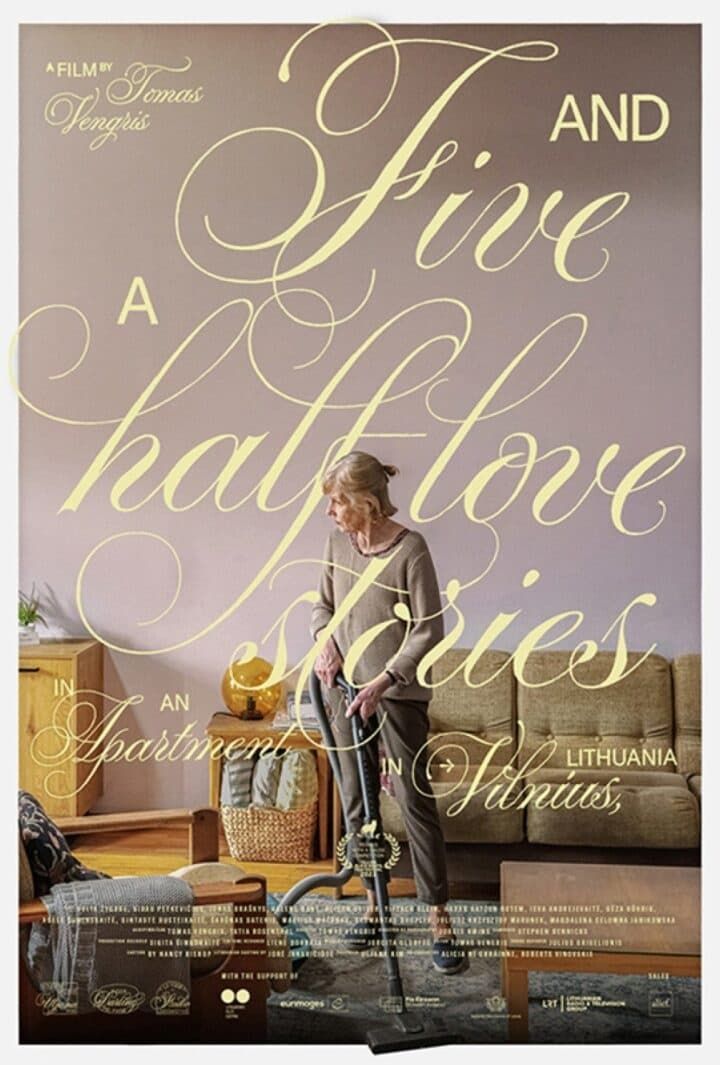
 LITHUANIA- “Toxic” Lithuania will have a tough time
choosing just one film this year. Though they are the largest of the Baltic
Republics, they’re the only one waiting for their first Oscar nomination. “The
Southern Chronicles” would win the popularity contest. It’s been a box-office
hit since its January 2025 premiere and it just swept the National Film Awards,
winning Best Picture, Director, Screenplay, Audience Award, and three of the
four Acting awards. “Southern Chronicles” is a romantic-comedy set in the 1990s
and it is supposed to be very good. But comedies…especially ones with such a
specific national element….usually have an uphill climb to be nominated. So,
I’m predicting “Toxic”, which won the Golden Leopard at Locarno 2024…and it’s so
rare that Lithuania wins the Grand Prize at a Class-A festival! I think the
Oscar success of “The Substance” will also help this grotesque teen modelling
drama be selected. “Toxic” was the only other fiction feature to win anything
at all at the Silver Crane awards. But it’s not just a two-way race! “Murmuring
Hearts” won Best Documentary…even though it appears to be some kind of
docufiction hybrid about a reform school…..and Lithuania likes docs, sending
five since 2006. Two upcoming films- “The Visitor” (Karlovy Vary), a drama
about the universal feelings of loss and disorientation when returning home
after many years away, and “The Activist”, a thriller about a gay man who
infiltrates the neo-Nazi organization whose members killed his partner - could be
in the mix if reviews are strong enough. For now, I say the Golden Leopard
propels “Toxic” to the front of the queue, followed by “Chronicles” and “The
Activist”.
LITHUANIA- “Toxic” Lithuania will have a tough time
choosing just one film this year. Though they are the largest of the Baltic
Republics, they’re the only one waiting for their first Oscar nomination. “The
Southern Chronicles” would win the popularity contest. It’s been a box-office
hit since its January 2025 premiere and it just swept the National Film Awards,
winning Best Picture, Director, Screenplay, Audience Award, and three of the
four Acting awards. “Southern Chronicles” is a romantic-comedy set in the 1990s
and it is supposed to be very good. But comedies…especially ones with such a
specific national element….usually have an uphill climb to be nominated. So,
I’m predicting “Toxic”, which won the Golden Leopard at Locarno 2024…and it’s so
rare that Lithuania wins the Grand Prize at a Class-A festival! I think the
Oscar success of “The Substance” will also help this grotesque teen modelling
drama be selected. “Toxic” was the only other fiction feature to win anything
at all at the Silver Crane awards. But it’s not just a two-way race! “Murmuring
Hearts” won Best Documentary…even though it appears to be some kind of
docufiction hybrid about a reform school…..and Lithuania likes docs, sending
five since 2006. Two upcoming films- “The Visitor” (Karlovy Vary), a drama
about the universal feelings of loss and disorientation when returning home
after many years away, and “The Activist”, a thriller about a gay man who
infiltrates the neo-Nazi organization whose members killed his partner - could be
in the mix if reviews are strong enough. For now, I say the Golden Leopard
propels “Toxic” to the front of the queue, followed by “Chronicles” and “The
Activist”.

 MACEDONIA- “DJ Ahmet” Winning an award at Sundance-
arguably the most influential film festival in the U.S. – is a surefire way to
demonstrate that your film can resonate with American audiences. So “DJ Ahmet”,
which won the 2025 Audience Award, is sure to represent Macedonia. “DJ” is a
coming-of-age tale about a boy from the remote Yuruk community (this obscure
Turkish-speaking community also got Macedonia their last Oscar nomination….for
“Honeyland”). Ahmet journey to adulthood amidst conservative family and
materialistic influences will surely resonate beyond his village. Variety lauded
its “unforgettable ensemble, laugh-out-loud comedy and heartsore drama.”
Read the reviews. Ahmet is in.
MACEDONIA- “DJ Ahmet” Winning an award at Sundance-
arguably the most influential film festival in the U.S. – is a surefire way to
demonstrate that your film can resonate with American audiences. So “DJ Ahmet”,
which won the 2025 Audience Award, is sure to represent Macedonia. “DJ” is a
coming-of-age tale about a boy from the remote Yuruk community (this obscure
Turkish-speaking community also got Macedonia their last Oscar nomination….for
“Honeyland”). Ahmet journey to adulthood amidst conservative family and
materialistic influences will surely resonate beyond his village. Variety lauded
its “unforgettable ensemble, laugh-out-loud comedy and heartsore drama.”
Read the reviews. Ahmet is in.

 MOLDOVA- “Turcoaica” Moldova returned to the Oscars
in 2022 and had a very competitive selection in 2023. They skipped last year
for unknown reasons (did they lose interest? Did the local films not meet AMPAS
requirements?) so this year will probably indicate whether they plan to stay in
the competition. I see four possible options (in alphabetical order)- (1) “The
Alienated”, a supernatural Antichrist drama that premiered at Karlovy Vary
2024, (2)- “Povesti Moldovenesti”, a breezy anthology of short films showcasing
the people and stories of Chisinau, the Moldovan capital, (3)- The Prince”, a
comedy about an African prince who finds a job as a professor in Moldova and inadvertently
finds himself arrested for human trafficking, and (4)- “Turcoaica” (“Turchanka”
in Russian), an emotional melodrama about a man who returns his home village
after a stint in prison. “Turcoaica” sounds the most “Oscary” since the other
three are genre films. Interestingly enough, “The Prince” has become the first
Moldovan film to get an Amazon release.
MOLDOVA- “Turcoaica” Moldova returned to the Oscars
in 2022 and had a very competitive selection in 2023. They skipped last year
for unknown reasons (did they lose interest? Did the local films not meet AMPAS
requirements?) so this year will probably indicate whether they plan to stay in
the competition. I see four possible options (in alphabetical order)- (1) “The
Alienated”, a supernatural Antichrist drama that premiered at Karlovy Vary
2024, (2)- “Povesti Moldovenesti”, a breezy anthology of short films showcasing
the people and stories of Chisinau, the Moldovan capital, (3)- The Prince”, a
comedy about an African prince who finds a job as a professor in Moldova and inadvertently
finds himself arrested for human trafficking, and (4)- “Turcoaica” (“Turchanka”
in Russian), an emotional melodrama about a man who returns his home village
after a stint in prison. “Turcoaica” sounds the most “Oscary” since the other
three are genre films. Interestingly enough, “The Prince” has become the first
Moldovan film to get an Amazon release.

 MONTENEGRO- “Tower of Strength” Tiny Montenegro
actually has an interesting two-way race this year between two period dramas
about regional rivalries. Will they choose “Tower of Strength”, set during
feuding Albanian and Montenegrin communities during World War II, or “Wondrous
Is the Silence of My Master”, set during the 19th century Balkan
wars against the Turks. This will be a tough one. “Wondrous” got a festival
premiere (Rotterdam) and tells a “bigger” story. But I’m predicting “Tower of
Strength”, about a Christian refugee child who seeks refuge with an Albanian Muslim
family, who is then threatened with death if they do not hand him over. The
Balkans do “moral dilemmas” awfully well but director Nikola Vukcevic seems to
have an awfully distinguished career in Montenegro and they may wish to reward
him. But this will be a tough decision!
MONTENEGRO- “Tower of Strength” Tiny Montenegro
actually has an interesting two-way race this year between two period dramas
about regional rivalries. Will they choose “Tower of Strength”, set during
feuding Albanian and Montenegrin communities during World War II, or “Wondrous
Is the Silence of My Master”, set during the 19th century Balkan
wars against the Turks. This will be a tough one. “Wondrous” got a festival
premiere (Rotterdam) and tells a “bigger” story. But I’m predicting “Tower of
Strength”, about a Christian refugee child who seeks refuge with an Albanian Muslim
family, who is then threatened with death if they do not hand him over. The
Balkans do “moral dilemmas” awfully well but director Nikola Vukcevic seems to
have an awfully distinguished career in Montenegro and they may wish to reward
him. But this will be a tough decision!

 POLAND- “Chopin, Chopin” Poland always chooses a film
that premieres at a major film festival. In the past ten years, they picked 4
Venice premieres, 3 Toronto premieres, 2 Cannes premieres and a Berlin
premiere. The problem is that Polish-language films have been almost completely
absent from the film festival circuit this year, including Cannes, Berlin, Venice
and Toronto. Up until now, (August 1st) they might have chosen
between boxing drama “Kulej”, relationship dramedy “This Is Not My Film” and
Belarusian opposition drama “Under the Grey Sky”. But it’s far more likely
they’ll pick whichever of their 16 brand-new films at the Gdynia Film Festival
they like best (and can get released by September 30). That’s most likely to be
musical biopic “Chopin, Chopin” or “The Altar Boys”, about a bunch of teens
rebelling against Catholic dogma. I hate biopics and I’d rather see “Altar
Boys”, but “Chopin” looks much “grander”, is super expensive, and has a senior
director who has been shortlisted before. It opens October 10th but is sure to arrange an early release if they want it to. In third place, “Good Home”, a drama
about domestic violence, followed by the Belarus drama “Under the Grey Sky” and
human trafficking drama “Capo”. Very dark horse: Agnieszka Holland made “Kafka”
in the Czech Republic but it wasn’t shortlisted. It’s in Czech…but could Poland
choose it now that they know nothing else was selected for Venice and Toronto?
POLAND- “Chopin, Chopin” Poland always chooses a film
that premieres at a major film festival. In the past ten years, they picked 4
Venice premieres, 3 Toronto premieres, 2 Cannes premieres and a Berlin
premiere. The problem is that Polish-language films have been almost completely
absent from the film festival circuit this year, including Cannes, Berlin, Venice
and Toronto. Up until now, (August 1st) they might have chosen
between boxing drama “Kulej”, relationship dramedy “This Is Not My Film” and
Belarusian opposition drama “Under the Grey Sky”. But it’s far more likely
they’ll pick whichever of their 16 brand-new films at the Gdynia Film Festival
they like best (and can get released by September 30). That’s most likely to be
musical biopic “Chopin, Chopin” or “The Altar Boys”, about a bunch of teens
rebelling against Catholic dogma. I hate biopics and I’d rather see “Altar
Boys”, but “Chopin” looks much “grander”, is super expensive, and has a senior
director who has been shortlisted before. It opens October 10th but is sure to arrange an early release if they want it to. In third place, “Good Home”, a drama
about domestic violence, followed by the Belarus drama “Under the Grey Sky” and
human trafficking drama “Capo”. Very dark horse: Agnieszka Holland made “Kafka”
in the Czech Republic but it wasn’t shortlisted. It’s in Czech…but could Poland
choose it now that they know nothing else was selected for Venice and Toronto?
 ROMANIA- “Kontinental 25” For Romania, I see a lot of
online chatter talking about “The New Year That Never Came”, a critically
acclaimed historical drama with intersecting stories a la “Crash” that premiered
at Venice ’24 and which dominated the Romanian Gopo Awards. Others are talking
about Cristian Mungiu’s latest film “Fjord”, starring up-and-coming
Romanian-born Oscar nominee Sebastian Stan and Norwegian actress Renate
Reinsve. But neither is eligible. “New Year” premiered four days before the
eligibility date and ”Fjord” is mostly in English (and apparently not
finished). So, it’s very unclear what
Romania will pick. Radu Jude has been picked four times in the past ten
years…could he make it five? He won the Silver Berlin Bear for moral dilemma
drama “Kontinental 25”…though Oscar has shown no affection for him (“Bad Luck
Banging” and “Aferim!” are quite good). 81-year old Stere Gulea is a respected
director who hasn’t been picked since 1996. “The Moromete Family 3: Father and
Son” is the third part in an acclaimed trilogy that began during Communist
times. Reviews have been great but sequels are always a tough sell. A third
option is “Traffic”, a drama about Romanian migrant workers that was written
(but not directed) by Cristian Mungiu. Lastly, we have “Holy Family”
(Sarajevo), a drama about anti-Semitism. I do think they’ll want to give
someone new a chance…but reviews for “Continental” are probably the best of the
four, and the Silver Bear will help him to get a fifth chance at Oscar. “Traffic”
will likely come second.
ROMANIA- “Kontinental 25” For Romania, I see a lot of
online chatter talking about “The New Year That Never Came”, a critically
acclaimed historical drama with intersecting stories a la “Crash” that premiered
at Venice ’24 and which dominated the Romanian Gopo Awards. Others are talking
about Cristian Mungiu’s latest film “Fjord”, starring up-and-coming
Romanian-born Oscar nominee Sebastian Stan and Norwegian actress Renate
Reinsve. But neither is eligible. “New Year” premiered four days before the
eligibility date and ”Fjord” is mostly in English (and apparently not
finished). So, it’s very unclear what
Romania will pick. Radu Jude has been picked four times in the past ten
years…could he make it five? He won the Silver Berlin Bear for moral dilemma
drama “Kontinental 25”…though Oscar has shown no affection for him (“Bad Luck
Banging” and “Aferim!” are quite good). 81-year old Stere Gulea is a respected
director who hasn’t been picked since 1996. “The Moromete Family 3: Father and
Son” is the third part in an acclaimed trilogy that began during Communist
times. Reviews have been great but sequels are always a tough sell. A third
option is “Traffic”, a drama about Romanian migrant workers that was written
(but not directed) by Cristian Mungiu. Lastly, we have “Holy Family”
(Sarajevo), a drama about anti-Semitism. I do think they’ll want to give
someone new a chance…but reviews for “Continental” are probably the best of the
four, and the Silver Bear will help him to get a fifth chance at Oscar. “Traffic”
will likely come second.

 RUSSIA- “This Summer Will End” There’s no point in
spending much time talking about Russia. Russia was one of Oscar’s most
successful countries, earning five shortlist spots in the eight years
(2014-2021) before they quit the competition in protest at Western anger at
their unprovoked invasion of Ukraine (?!). Since then, they’ve also been absent
from major film festivals. If they did enter (which they won’t), I think they’d
pick something with star power, or something that shows Russia in a positive
light. So, I’m thinking “This Summer Will End”, starring this year’s Russian
Oscar nominee Yura Borisov (“Anora”)….or maybe war film “Blood Type”, which highlights
Nazi atrocities against Soviet children…. Or possibly “License to Love” which won
the Russian competition at the Moscow International Film Festival. Or maybe
upcoming war drama “August”. But they won’t enter so it doesn’t matter.
RUSSIA- “This Summer Will End” There’s no point in
spending much time talking about Russia. Russia was one of Oscar’s most
successful countries, earning five shortlist spots in the eight years
(2014-2021) before they quit the competition in protest at Western anger at
their unprovoked invasion of Ukraine (?!). Since then, they’ve also been absent
from major film festivals. If they did enter (which they won’t), I think they’d
pick something with star power, or something that shows Russia in a positive
light. So, I’m thinking “This Summer Will End”, starring this year’s Russian
Oscar nominee Yura Borisov (“Anora”)….or maybe war film “Blood Type”, which highlights
Nazi atrocities against Soviet children…. Or possibly “License to Love” which won
the Russian competition at the Moscow International Film Festival. Or maybe
upcoming war drama “August”. But they won’t enter so it doesn’t matter.
 SERBIA- “God Be With Us" (aka Great Tram Robbery) Ah, Serbia. They make
some wonderful edgy films but their Academy literally makes the worst decisions
in all of Europe. In the past six years, they’ve chosen four stuffy historical
dramas about Serbian history, each time over critically acclaimed festival
competition. Four of those six directors were 55 years old or older ….That
would seem to make the Serbian frontrunner “Sectio Aurea 42” by an 81-year old
director who was last submitted to the Oscars in 1978. It’s a baity WWII drama
about three siblings who end up in a concentration camp. Milorad Milinkovic,
another senior director, passed away in January and his latest- a period murder
mystery called “Pearl Mist”- would also fit the Serbian profile. The problem is
that neither of these has premiered yet so it’s unclear if they’re eligible. “Great
Tram Robbery”, the big-budget, glossy 1920s period piece that I predicted last
year, has a 78-year old director and is my pick again this year. If they want
something more modern, they could consider “Bauk”, “How Come It’s So Green Out
Here?” (Karlovy Vary), “Mother Mara” (Sarajevo 24), docudrama “Eighty Plus”
(Berlinale Forum), and “Wind, Talk to Me” (Rotterdam)…..but they usually don’t.
“Wind” has the best chance out of these but I think they’ll go with one of the
big period pieces by old guys.
SERBIA- “God Be With Us" (aka Great Tram Robbery) Ah, Serbia. They make
some wonderful edgy films but their Academy literally makes the worst decisions
in all of Europe. In the past six years, they’ve chosen four stuffy historical
dramas about Serbian history, each time over critically acclaimed festival
competition. Four of those six directors were 55 years old or older ….That
would seem to make the Serbian frontrunner “Sectio Aurea 42” by an 81-year old
director who was last submitted to the Oscars in 1978. It’s a baity WWII drama
about three siblings who end up in a concentration camp. Milorad Milinkovic,
another senior director, passed away in January and his latest- a period murder
mystery called “Pearl Mist”- would also fit the Serbian profile. The problem is
that neither of these has premiered yet so it’s unclear if they’re eligible. “Great
Tram Robbery”, the big-budget, glossy 1920s period piece that I predicted last
year, has a 78-year old director and is my pick again this year. If they want
something more modern, they could consider “Bauk”, “How Come It’s So Green Out
Here?” (Karlovy Vary), “Mother Mara” (Sarajevo 24), docudrama “Eighty Plus”
(Berlinale Forum), and “Wind, Talk to Me” (Rotterdam)…..but they usually don’t.
“Wind” has the best chance out of these but I think they’ll go with one of the
big period pieces by old guys.

 SLOVAKIA- “Father” Slovakia doesn’t have much to
choose from this year but they do have one fantastic option premiering in Venice. They’ve been touting “Caravan”, about a mother burdened
with a handicapped son, as a Slovak film, including at Cannes Film Market…but
it has a Czech director, three Czech writers, two Czech producers (one producer
is Slovak) and a mostly Czech/Italian cast (one lead actress is Slovak)…so I’m
doubtful that will be considered “Slovak artistic control”. “Perla”, an
Austrian co-production, also straddles the line but would probably be okay
since the Austria-based writer-director has dual nationality. Box-office smash
mob drama “Cernak” would have a chance but it’s a “part two” to a story that
most Americans won’t know. The Slovak Academy likes documentaries so political doc “Ms. President” could also be selected. All of those
are possible, but I think they’ll choose between upcoming family tragedy “Father”
(Venice), about the accidental death of an infant child, or “Promise Me, I’ll Be Fine”
(aka “Utekac”), a village coming-of-age drama about a 15-year old and his mother, who may be involved in criminal activities. Both are genuinely Slovak (though
Slovakia often chooses stories set in other countries). Few countries do tragedies better than Slovakia...."Father" looks likely to be the one, and a strong shortlist contender for Slovakia.
SLOVAKIA- “Father” Slovakia doesn’t have much to
choose from this year but they do have one fantastic option premiering in Venice. They’ve been touting “Caravan”, about a mother burdened
with a handicapped son, as a Slovak film, including at Cannes Film Market…but
it has a Czech director, three Czech writers, two Czech producers (one producer
is Slovak) and a mostly Czech/Italian cast (one lead actress is Slovak)…so I’m
doubtful that will be considered “Slovak artistic control”. “Perla”, an
Austrian co-production, also straddles the line but would probably be okay
since the Austria-based writer-director has dual nationality. Box-office smash
mob drama “Cernak” would have a chance but it’s a “part two” to a story that
most Americans won’t know. The Slovak Academy likes documentaries so political doc “Ms. President” could also be selected. All of those
are possible, but I think they’ll choose between upcoming family tragedy “Father”
(Venice), about the accidental death of an infant child, or “Promise Me, I’ll Be Fine”
(aka “Utekac”), a village coming-of-age drama about a 15-year old and his mother, who may be involved in criminal activities. Both are genuinely Slovak (though
Slovakia often chooses stories set in other countries). Few countries do tragedies better than Slovakia...."Father" looks likely to be the one, and a strong shortlist contender for Slovakia.

 SLOVENIA- “Little Trouble Girls” Adolescent drama
“Little Trouble Girls” premiered at Berlinale, winning one small award. It’s
about the tense relationships between a group of girls at a Catholic school. With
its main competition – “Fantasy” (Locarno) and “Whites Wash at Ninety” - not
expected to premiere until the fall, “Girls” should win this easily.
SLOVENIA- “Little Trouble Girls” Adolescent drama
“Little Trouble Girls” premiered at Berlinale, winning one small award. It’s
about the tense relationships between a group of girls at a Catholic school. With
its main competition – “Fantasy” (Locarno) and “Whites Wash at Ninety” - not
expected to premiere until the fall, “Girls” should win this easily.

 UKRAINE- “2000 Meters to Andriivka” First of all,
it’s incredible that the resilient Ukrainians are making high-quality cinema
despite the war. This year, it would be foolish to bet against Oscar winner Mstyslav
Chernov’s grim new documentary “2000 Meters to Andriivka” which just won Best
Documentary at the Sundance Film Festival. This movie about a journalist
embedded with a Ukrainian platoon is said to be almost as good as “20 Days to
Mariupol”…and it’s proven to be a winning formula for Oscar. But Ukraine does
have a plethora of other options, including thriller “Honeymoon”, films from
the main competition of Cannes (“Two Prosecutors”, Sergey Loznitsa) and Berlin
(documentary “Timestamp”), “Grey Bees” (which won Best Ukrainian Fiction Film
at the Odessa Film Festival and Ukrainian Film Critics Association) and
new films by acclaimed local directors Roman Bondarchuk (“Editorial Office”)
and Eva Neymann (“When Lightning Flashes Over the Sea”). I don’t think any of
them can beat “Andriivka” but “Grey Bees”, a drama about two pensioners living
in the wartorn Donbass region, would have the best chance. Slava Ukraini!
UKRAINE- “2000 Meters to Andriivka” First of all,
it’s incredible that the resilient Ukrainians are making high-quality cinema
despite the war. This year, it would be foolish to bet against Oscar winner Mstyslav
Chernov’s grim new documentary “2000 Meters to Andriivka” which just won Best
Documentary at the Sundance Film Festival. This movie about a journalist
embedded with a Ukrainian platoon is said to be almost as good as “20 Days to
Mariupol”…and it’s proven to be a winning formula for Oscar. But Ukraine does
have a plethora of other options, including thriller “Honeymoon”, films from
the main competition of Cannes (“Two Prosecutors”, Sergey Loznitsa) and Berlin
(documentary “Timestamp”), “Grey Bees” (which won Best Ukrainian Fiction Film
at the Odessa Film Festival and Ukrainian Film Critics Association) and
new films by acclaimed local directors Roman Bondarchuk (“Editorial Office”)
and Eva Neymann (“When Lightning Flashes Over the Sea”). I don’t think any of
them can beat “Andriivka” but “Grey Bees”, a drama about two pensioners living
in the wartorn Donbass region, would have the best chance. Slava Ukraini!