It's that time of year! Here are my predictions for the Oscar submissions from the 24 countries of Eastern Europe.
The big question here is whether Russia will participate. There's been no word about them being disinvited from the Oscars the way they have for sporting events.....Georgia- where there have been reports of increasing artistic censorship, and Russia will have the most interesting races.

1.  ALBANIA- “The Albanian Virgin” Bujar Alimani has represented Albania
3 out of 14 times, and is the only living Albanian director to have been
selected more than once. Considering that his Communist-era melodrama “The Albanian
Virgin” (Warsaw) is one of the best-reviewed Albanian films in years, it would
be foolish to bet against him. Set in the 1950s and 60s, "Virgin" is about a woman trying to live her
own life despite the extreme pressures of Communism and misogynistic Albanian traditions.
Upcoming drama “A Cup of Coffee and New Shoes On”, about two deaf-mute twins
who learn they are going blind, is a dark horse from the director they selected in
2017.
ALBANIA- “The Albanian Virgin” Bujar Alimani has represented Albania
3 out of 14 times, and is the only living Albanian director to have been
selected more than once. Considering that his Communist-era melodrama “The Albanian
Virgin” (Warsaw) is one of the best-reviewed Albanian films in years, it would
be foolish to bet against him. Set in the 1950s and 60s, "Virgin" is about a woman trying to live her
own life despite the extreme pressures of Communism and misogynistic Albanian traditions.
Upcoming drama “A Cup of Coffee and New Shoes On”, about two deaf-mute twins
who learn they are going blind, is a dark horse from the director they selected in
2017.

2.  ARMENIA- “Aurora’s Sunrise” Armenia used to submit intermittently
but they have been a regular participant for the past six years. This year, they have
two good options- “Amerikatsi” (The American), a drama which opened the country’s Golden
Apricot Film Festival, and “Aurora’s Sunrise”, an animated documentary about a
woman who was the only person in her family to survive the Armenian genocide. These are two really strong contenders although I think the animated
documentary- which was recently featured in the prestigious Annecy festival of Animation- will beat the drama, also about an Armenian genocide survivor, this time a man who leaves his home in the United States to return to repressive Soviet
Armenia in 1947.
ARMENIA- “Aurora’s Sunrise” Armenia used to submit intermittently
but they have been a regular participant for the past six years. This year, they have
two good options- “Amerikatsi” (The American), a drama which opened the country’s Golden
Apricot Film Festival, and “Aurora’s Sunrise”, an animated documentary about a
woman who was the only person in her family to survive the Armenian genocide. These are two really strong contenders although I think the animated
documentary- which was recently featured in the prestigious Annecy festival of Animation- will beat the drama, also about an Armenian genocide survivor, this time a man who leaves his home in the United States to return to repressive Soviet
Armenia in 1947.

3.  AZERBAIJAN- “Sughra & Her Sons” Azerbaijan
returned to the Oscar competition last year for the first time in four years with
quirky comedy “The Island Within”. Azerbaijani cinemas had been closed for most
of the pandemic but finally reopened in Fall 2021. I see three possible contenders,
including two by up-and-coming 35-year old director Hilal Baydarov. “Crane Lantern”
premiered at the 2021 Tokyo Film Festival, while “Sermon to the Fish” is
scheduled to premiere in the Main Competition at Locarno 2022 (quite an accomplishment
for the Azerbaijani film industry!). “Lantern” is co-produced by Danny Glover
and Mexican director Carlos Reygadas and is said to be a challenging, arthouse film
about a man accused of kidnapping four women, all of whom mysteriously decline to press
charges against him. “Sermon” is about a man who returns to his home village only to find
his dying sister is the sole survivor of a mysterious illness. There’s also “Sughra
& Her Sons”, about a band of Azeri women running a village while their menfolk are
away fighting during WWII. Director Ilgar Najaf directed two of Azerbaijani’s
eight Oscar submissions so far. It’s a tight race and may depend on what gets
released in Baku before the November 30th deadline. I predict the cliquey
Azeris go back to Najaf.
AZERBAIJAN- “Sughra & Her Sons” Azerbaijan
returned to the Oscar competition last year for the first time in four years with
quirky comedy “The Island Within”. Azerbaijani cinemas had been closed for most
of the pandemic but finally reopened in Fall 2021. I see three possible contenders,
including two by up-and-coming 35-year old director Hilal Baydarov. “Crane Lantern”
premiered at the 2021 Tokyo Film Festival, while “Sermon to the Fish” is
scheduled to premiere in the Main Competition at Locarno 2022 (quite an accomplishment
for the Azerbaijani film industry!). “Lantern” is co-produced by Danny Glover
and Mexican director Carlos Reygadas and is said to be a challenging, arthouse film
about a man accused of kidnapping four women, all of whom mysteriously decline to press
charges against him. “Sermon” is about a man who returns to his home village only to find
his dying sister is the sole survivor of a mysterious illness. There’s also “Sughra
& Her Sons”, about a band of Azeri women running a village while their menfolk are
away fighting during WWII. Director Ilgar Najaf directed two of Azerbaijani’s
eight Oscar submissions so far. It’s a tight race and may depend on what gets
released in Baku before the November 30th deadline. I predict the cliquey
Azeris go back to Najaf.

4.  /
/ BELARUS- “Courage” I actually don’t expect Belarus to
enter the race this year and with international sanctions against the country,
I’m actually wondering whether they’ll even be invited. If the selection
committee is under the control of the government-in-exile, I predict they’ll send
one of the many documentaries on the protest movement that has sprung up in the
country since the rigged 2020 elections, including “Courage”, “Mara” and “When
Flowers are not Silent”. They could also opt for “Summer of ‘89”, a coming-of-age
drama about one of the last high-school classes in the former USSR. I’ll
predict “Courage” which has gotten the most play in Western Europe.
BELARUS- “Courage” I actually don’t expect Belarus to
enter the race this year and with international sanctions against the country,
I’m actually wondering whether they’ll even be invited. If the selection
committee is under the control of the government-in-exile, I predict they’ll send
one of the many documentaries on the protest movement that has sprung up in the
country since the rigged 2020 elections, including “Courage”, “Mara” and “When
Flowers are not Silent”. They could also opt for “Summer of ‘89”, a coming-of-age
drama about one of the last high-school classes in the former USSR. I’ll
predict “Courage” which has gotten the most play in Western Europe.

5.  BOSNIA-HERZEGOVINA “Not So Friendly Neighborhood Affair” Danis
Tanovic won Best Foreign Film for “No Man’s Land” and Bosnia has selected all
three of his locally-made films since. Black comedy “Not So Friendly Neighborhood
Affair”, a low-budget effort about two neighborhood restaurants feuding amidst
the COVID-19 outbreak, has gotten good reviews and is likely to continue his streak.
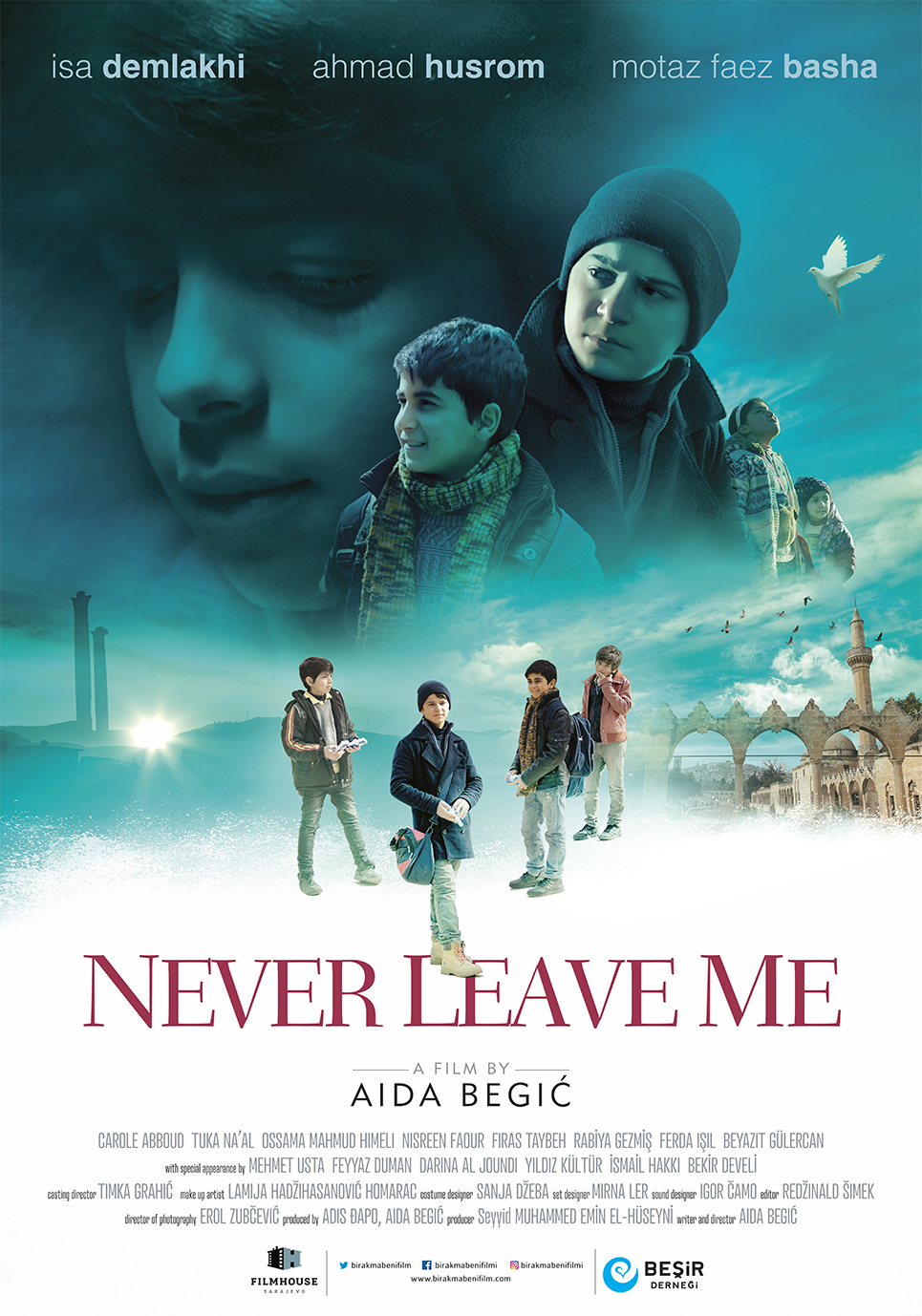
However, a few days ago, the Sarajevo Film Festival announced that Aida Begic (“Quo
Vadis, Aida”, which should have won the Oscar last year)
is premiering her latest, “A Ballad”, at Sarajevo in August. Bosnian films often take
a long time to hit theatres so “Neighborhood” is still my pick....But if “A
Ballad”, her first comedy, gets released, it could very well get the nod. Dark horses: “Die Before
Death”, about a successful young doctor who learns he is dying….and domestic
violence drama “So She Doesn’t Live”.
BOSNIA-HERZEGOVINA “Not So Friendly Neighborhood Affair” Danis
Tanovic won Best Foreign Film for “No Man’s Land” and Bosnia has selected all
three of his locally-made films since. Black comedy “Not So Friendly Neighborhood
Affair”, a low-budget effort about two neighborhood restaurants feuding amidst
the COVID-19 outbreak, has gotten good reviews and is likely to continue his streak.
However, a few days ago, the Sarajevo Film Festival announced that Aida Begic (“Quo
Vadis, Aida”, which should have won the Oscar last year)
is premiering her latest, “A Ballad”, at Sarajevo in August. Bosnian films often take
a long time to hit theatres so “Neighborhood” is still my pick....But if “A
Ballad”, her first comedy, gets released, it could very well get the nod. Dark horses: “Die Before
Death”, about a successful young doctor who learns he is dying….and domestic
violence drama “So She Doesn’t Live”.

6.  BULGARIA- “In the Heart of the Machine” Set during
Communist times, prison drama “In the Heart of the Machine” has dominated
Bulgarian critic’s prizes this year, winning Best Bulgarian Film at both
national film festivals. It’s also done well at the box office and has an all-star
cast of well-known actors. With Bulgaria mostly absent from festivals this
year, this should be enough to defeat its two main competitors, “Petya of My
Petya”, about a pair of similar suicides 30 years apart, and horror-drama “January”.
Very dark horses: comedy-drama “Humble” and big-budget (but not critically acclaimed)
biopic “Botev”.
BULGARIA- “In the Heart of the Machine” Set during
Communist times, prison drama “In the Heart of the Machine” has dominated
Bulgarian critic’s prizes this year, winning Best Bulgarian Film at both
national film festivals. It’s also done well at the box office and has an all-star
cast of well-known actors. With Bulgaria mostly absent from festivals this
year, this should be enough to defeat its two main competitors, “Petya of My
Petya”, about a pair of similar suicides 30 years apart, and horror-drama “January”.
Very dark horses: comedy-drama “Humble” and big-budget (but not critically acclaimed)
biopic “Botev”.

7.  CROATIA- “The Staffroom” Croatia has a history of making
strange decisions and although they haven’t been universally loved, I'm a big fan of their past two super-dark submissions. This year, I see this as a two-way
battle between “The Staffroom”, which won two awards at Karlovy Vary 2021, and “Sixth
Bus”, about the Vukovar tragedy during the 1991 Croatian War of independence. I
thought this would be a really tough battle but when “Sixth Bus” went home empty-handed
at the Pula Film Festival and “Staffroom” dominated the major awards, I think it’s a safe prediction. “The Staffroom”, which also
benefits from being a more universal story, is about an idealistic teacher struggling
to stay motivated within a corrupt school system. However, don’t count out “Bus”,
which is supposed to be one of the better war films and features an American protagonist.
Dark horse in 3rd place: Haneke-esque “The Uncle” (Karlovy Vary).
CROATIA- “The Staffroom” Croatia has a history of making
strange decisions and although they haven’t been universally loved, I'm a big fan of their past two super-dark submissions. This year, I see this as a two-way
battle between “The Staffroom”, which won two awards at Karlovy Vary 2021, and “Sixth
Bus”, about the Vukovar tragedy during the 1991 Croatian War of independence. I
thought this would be a really tough battle but when “Sixth Bus” went home empty-handed
at the Pula Film Festival and “Staffroom” dominated the major awards, I think it’s a safe prediction. “The Staffroom”, which also
benefits from being a more universal story, is about an idealistic teacher struggling
to stay motivated within a corrupt school system. However, don’t count out “Bus”,
which is supposed to be one of the better war films and features an American protagonist.
Dark horse in 3rd place: Haneke-esque “The Uncle” (Karlovy Vary).

8.  CZECH REPUBLIC- “The Last Race” The Czechs used to be a powerhouse in
this category but they haven’t been nominated since 2003. They almost
always choose a film from the Karlovy Vary Film Festival and this year they’d have eight choices.
The frontrunners are (1)- “The Word”, a family drama set against the backdrop of the
Prague Spring and one of only two Czech
features in the main competition of KVIFF (it won Director and Actor), and (2)- “The Last Race”,
a skiing drama set in 1913 (the Czechs have sent two sports dramas recently).
Jan Sverak, who won the Oscar for “Kolya”, has a new film called “Bethlehem
Light” about an author who talks to his fictional creations, although the Czech Academy hasn't sent a Sverak film in two decades. Other options: erotic comedy-drama “Borders
of Love”, which has done better with viewers than critics, murder-thriller “Shadowplay”
(whose Slovak director made the wonderful Holocaust drama “The Auschwitz Report”),
and “Somewhere Over the Chemtrails” (Berlin), a dramedy about racism. I’m
picking “Last Race” which has the best reviews.
CZECH REPUBLIC- “The Last Race” The Czechs used to be a powerhouse in
this category but they haven’t been nominated since 2003. They almost
always choose a film from the Karlovy Vary Film Festival and this year they’d have eight choices.
The frontrunners are (1)- “The Word”, a family drama set against the backdrop of the
Prague Spring and one of only two Czech
features in the main competition of KVIFF (it won Director and Actor), and (2)- “The Last Race”,
a skiing drama set in 1913 (the Czechs have sent two sports dramas recently).
Jan Sverak, who won the Oscar for “Kolya”, has a new film called “Bethlehem
Light” about an author who talks to his fictional creations, although the Czech Academy hasn't sent a Sverak film in two decades. Other options: erotic comedy-drama “Borders
of Love”, which has done better with viewers than critics, murder-thriller “Shadowplay”
(whose Slovak director made the wonderful Holocaust drama “The Auschwitz Report”),
and “Somewhere Over the Chemtrails” (Berlin), a dramedy about racism. I’m
picking “Last Race” which has the best reviews.

9.  ESTONIA- “The Sleeping Beast” Estonia, which in my opinion makes the best films in
the Baltic Republics, doesn’t have much to send this year. The two films
that I expected to be the frontrunners both have problems- “Deserted”, about a
Swedish journalist kidnapped by Palestinian terrorists, is directed by Kadri
Kõusaar, who made “Mother”, one of my favorite Estonian submissions. But it
appears to be almost completely in English. Elmo Nuganen is the Estonian
director with the biggest box-office draw, and his hotly anticipated medieval
mystery “Melchior the Apothecary” was my prediction last year…But reviews have
been mixed and there are three separate "Melchior" films being released in cinemas this year,
almost like a TV series. “The Sleeping
Beast”, a thriller about the misadventures of a group of neighborhood kids, could fill the gap, as could
romantic countryside drama “The Bog”. In the end, it’s probably between the high
production values of “Melchior” and the somewhat better reviews for “Sleeping Beast”, which is my prediction.
ESTONIA- “The Sleeping Beast” Estonia, which in my opinion makes the best films in
the Baltic Republics, doesn’t have much to send this year. The two films
that I expected to be the frontrunners both have problems- “Deserted”, about a
Swedish journalist kidnapped by Palestinian terrorists, is directed by Kadri
Kõusaar, who made “Mother”, one of my favorite Estonian submissions. But it
appears to be almost completely in English. Elmo Nuganen is the Estonian
director with the biggest box-office draw, and his hotly anticipated medieval
mystery “Melchior the Apothecary” was my prediction last year…But reviews have
been mixed and there are three separate "Melchior" films being released in cinemas this year,
almost like a TV series. “The Sleeping
Beast”, a thriller about the misadventures of a group of neighborhood kids, could fill the gap, as could
romantic countryside drama “The Bog”. In the end, it’s probably between the high
production values of “Melchior” and the somewhat better reviews for “Sleeping Beast”, which is my prediction.

10.
 GEORGIA- “Bebia, à mon seul désir” Georgia
has a particularly confusing race this year, amidst charges of censorship and political
interference in the arts (including cinema) by Minister of Culture Tea
Tsulukiani, as well as cultural and religious conservatives. “A Room of My Own”
(Karlovy Vary), about two women living together during a strict COVID quarantine,
and “Wet Sand” (Locarno), about a woman who arrives in a village after the
mysterious death of her grandfather, would both make excellent submissions…but underlying
LGBT themes in both films might prevent the films from being screened in
Georgia (the premiere of the superb “And Then We Danced” was the subject of
violent protests by Christian crazies) and/or make the Georgian Academy nervous. I can confirm “Sand” did at least get a festival screening in Tbilisi in December. Two acclaimed
movies from last year- “Otar’s Death” (Karlovy Vary 2021; Best Picture in
Tbilisi) and “Bebia” weren’t submitted for consideration last year; maybe they’re
eligible this year? (“Otar”, which would be Georgia’s best bet, sadly appears
to have gotten a qualifying release in 2021). “Winter Blues”, a simple tale about a depressed young writer who meets a bohemian girl, wouldn't be uncontroversial at all…but it’s so low-budget that the Georgians might want to
send something a little more sophisticated. “Taming the Garden”, a documentary
that was pulled from theatres because it defamed a powerful oligarch, wouldn’t
be acceptable under the current political environment. So what will they
choose? I’m hoping one of the queer films gets picked. They may select something released at the very last minute…but
for now I’m going to predict “Bebia, à mon seul désir” from last year gets a
qualifying release so they can avoid sending one of the more controversial choices.
GEORGIA- “Bebia, à mon seul désir” Georgia
has a particularly confusing race this year, amidst charges of censorship and political
interference in the arts (including cinema) by Minister of Culture Tea
Tsulukiani, as well as cultural and religious conservatives. “A Room of My Own”
(Karlovy Vary), about two women living together during a strict COVID quarantine,
and “Wet Sand” (Locarno), about a woman who arrives in a village after the
mysterious death of her grandfather, would both make excellent submissions…but underlying
LGBT themes in both films might prevent the films from being screened in
Georgia (the premiere of the superb “And Then We Danced” was the subject of
violent protests by Christian crazies) and/or make the Georgian Academy nervous. I can confirm “Sand” did at least get a festival screening in Tbilisi in December. Two acclaimed
movies from last year- “Otar’s Death” (Karlovy Vary 2021; Best Picture in
Tbilisi) and “Bebia” weren’t submitted for consideration last year; maybe they’re
eligible this year? (“Otar”, which would be Georgia’s best bet, sadly appears
to have gotten a qualifying release in 2021). “Winter Blues”, a simple tale about a depressed young writer who meets a bohemian girl, wouldn't be uncontroversial at all…but it’s so low-budget that the Georgians might want to
send something a little more sophisticated. “Taming the Garden”, a documentary
that was pulled from theatres because it defamed a powerful oligarch, wouldn’t
be acceptable under the current political environment. So what will they
choose? I’m hoping one of the queer films gets picked. They may select something released at the very last minute…but
for now I’m going to predict “Bebia, à mon seul désir” from last year gets a
qualifying release so they can avoid sending one of the more controversial choices.
11.
 HUNGARY- “The Grandson” Hungary had a lot of contenders last year, but
this year I see just three- “The Game”, “Gentle” and “The Grandson”. “The Game”
is a Cold War thriller that’s currently getting strong notices in Hungarian
theatres. It’s a sequel to a popular film (“The Exam”) but critics say you don’t
need to see the first to understand the story. “Gentle” is the highest-profile Hungarian
film, focusing on a female bodybuilder who becomes an escort to make some extra
money. But the Hungarians pick whatever they like best (last year they picked a
horror flick over a critical favorite WWII film) and I think that will be “The
Grandson”, a thriller about a young man trying to save his grandfather from a
financial scam. Dark horse: upcoming adoption drama “Six Weeks”.
HUNGARY- “The Grandson” Hungary had a lot of contenders last year, but
this year I see just three- “The Game”, “Gentle” and “The Grandson”. “The Game”
is a Cold War thriller that’s currently getting strong notices in Hungarian
theatres. It’s a sequel to a popular film (“The Exam”) but critics say you don’t
need to see the first to understand the story. “Gentle” is the highest-profile Hungarian
film, focusing on a female bodybuilder who becomes an escort to make some extra
money. But the Hungarians pick whatever they like best (last year they picked a
horror flick over a critical favorite WWII film) and I think that will be “The
Grandson”, a thriller about a young man trying to save his grandfather from a
financial scam. Dark horse: upcoming adoption drama “Six Weeks”.
12.  KOSOVO- “Vera Dreams of the Sea” Last year,
tiny Kosovo had four films- all directed by women- at major film festivals. “Hive”
(Sundance) went to the Oscars and got Kosovo’s first-ever spot on the shortlist. Their
other three 2021 films- “The Hill Where Lionesses Roar” (Cannes), “Looking for
Venera” (Rotterdam) and “Vera Dreams of the Sea” (Venice/Tokyo)- don’t seem to
have premiered in Kosovo so they all could be eligible. I'm not sure. I
think “Vera”, which won the Grand Prize in Tokyo, is the frontrunner. Focusing
on a widow trying to overcome the patriarchy, it’s very similar to “Hive” and
Kosovo might hope that lightning will strike twice. When comparing the two films last year, Variety
opined that “Vera” was the more compelling of the two. But don’t count out “Venera”
(Jury Prize in Rotterdam) either, for its well-reviewed tale of female adolescent
angst.
KOSOVO- “Vera Dreams of the Sea” Last year,
tiny Kosovo had four films- all directed by women- at major film festivals. “Hive”
(Sundance) went to the Oscars and got Kosovo’s first-ever spot on the shortlist. Their
other three 2021 films- “The Hill Where Lionesses Roar” (Cannes), “Looking for
Venera” (Rotterdam) and “Vera Dreams of the Sea” (Venice/Tokyo)- don’t seem to
have premiered in Kosovo so they all could be eligible. I'm not sure. I
think “Vera”, which won the Grand Prize in Tokyo, is the frontrunner. Focusing
on a widow trying to overcome the patriarchy, it’s very similar to “Hive” and
Kosovo might hope that lightning will strike twice. When comparing the two films last year, Variety
opined that “Vera” was the more compelling of the two. But don’t count out “Venera”
(Jury Prize in Rotterdam) either, for its well-reviewed tale of female adolescent
angst.

13.  LATVIA- “January” The favorite from Latvia is “January”,
a topical drama which won Best Feature at the Tribeca Film Festival in New
York City. Set in 1991 during the final years of the USSR, it’s about the life of a
jaded teenaged artist who joins the Latvian independence movement. Reviews have been good, although critics say the
political aspects work better than the personal ones. Perhaps most importantly,
director Viestur Kairish has been selected before (for “Chronicles of Melanie”)
and had a strong contender two years ago when “Blizzard
of Souls” defeated his buzzy “The Sign Painter”. However, there are a flurry of
releases coming up this year that could knock “January” off its pedestal, including
80s rock band biopic “Jumprava: The Big Happening”, adoption drama “Sisters”,
and Communist tragedy “Soviet Milk”. Of these, I’d say “Sisters” is in second place.
LATVIA- “January” The favorite from Latvia is “January”,
a topical drama which won Best Feature at the Tribeca Film Festival in New
York City. Set in 1991 during the final years of the USSR, it’s about the life of a
jaded teenaged artist who joins the Latvian independence movement. Reviews have been good, although critics say the
political aspects work better than the personal ones. Perhaps most importantly,
director Viestur Kairish has been selected before (for “Chronicles of Melanie”)
and had a strong contender two years ago when “Blizzard
of Souls” defeated his buzzy “The Sign Painter”. However, there are a flurry of
releases coming up this year that could knock “January” off its pedestal, including
80s rock band biopic “Jumprava: The Big Happening”, adoption drama “Sisters”,
and Communist tragedy “Soviet Milk”. Of these, I’d say “Sisters” is in second place.

14.  LITHUANIA- “Mariupolis 2” More than any other country in the world, the Lithuanian Academy is partial to documentaries. In the past four years, they’ve opted
for documentaries three times (although “The Jump” was disqualified and
replaced with a fiction feature). So, although I want to predict crime drama “Pilgrims”,
which just won Best Picture at the Silver Crane Awards, I think they’ll send “Mariupolis
2”. This documentary about the war in Ukraine was left unfinished when its Lithuanian
director, Mantas Kvedaravicius, was killed by Russian forces. Critics acknowledge
the power of the film, made in the virtually destroyed city of Mariupolis, while also noting that it’s basically a series of incomplete fragments- even though it was “finished” by the director’s fiancée and his
editor as a labor of love. But this would certainly be a symbolic and sentimental choice for the doc-loving
Lithuanians, who also have been the most vocal country in Europe condemning
Russia’s invasion of Ukraine. “Pilgrims” will likely come second. Other
options: political thriller “Generation of Evil”, Sergey Loznitsa’s 4-hour
documentary “Mr. Landsbergis”, and surreal comedy “Cinephilia”. Lithuania’s
biggest film of the year- sci-fi drama “Vesper”- is in English.
LITHUANIA- “Mariupolis 2” More than any other country in the world, the Lithuanian Academy is partial to documentaries. In the past four years, they’ve opted
for documentaries three times (although “The Jump” was disqualified and
replaced with a fiction feature). So, although I want to predict crime drama “Pilgrims”,
which just won Best Picture at the Silver Crane Awards, I think they’ll send “Mariupolis
2”. This documentary about the war in Ukraine was left unfinished when its Lithuanian
director, Mantas Kvedaravicius, was killed by Russian forces. Critics acknowledge
the power of the film, made in the virtually destroyed city of Mariupolis, while also noting that it’s basically a series of incomplete fragments- even though it was “finished” by the director’s fiancée and his
editor as a labor of love. But this would certainly be a symbolic and sentimental choice for the doc-loving
Lithuanians, who also have been the most vocal country in Europe condemning
Russia’s invasion of Ukraine. “Pilgrims” will likely come second. Other
options: political thriller “Generation of Evil”, Sergey Loznitsa’s 4-hour
documentary “Mr. Landsbergis”, and surreal comedy “Cinephilia”. Lithuania’s
biggest film of the year- sci-fi drama “Vesper”- is in English.

15.  MACEDONIA- “Mimi” Macedonia has one of the more
confusing races in Europe this year and I’m not sure what they’ll send. Their
biggest film is “The Happiest Man in the World”, a Bosnian-language film about two people forced to confront the wars of the 1990s in the unlikely setting of a dating agency, which will
premiere later this summer in Venice Horizons. But although Teona Strugar Mitevska is one of Macedonia’s
most well-known international directors, they’ve snubbed her three times in a
row, including one year when they decided to send nothing
rather than the film she had submitted ("When The Day Had No Name" which had just screened in Berlin Panorama). Maybe they just don’t like her? In that case, I’m predicting “Mimi”, an
adolescent drama in the mold of what they sent last year, about two sisters
dealing with the death of their mother. All their other options seem even more unlikely, including
Tarantino-esque comedy “Snow White Dies at the End”, and Slovak-language co-production
“Piargy”, about the Antichrist….Or could they possibly send Macedonian-language horror
film “You Won’t Be Alone”, which isn’t really a Macedonian film? (I predict Australia will send it instead).
MACEDONIA- “Mimi” Macedonia has one of the more
confusing races in Europe this year and I’m not sure what they’ll send. Their
biggest film is “The Happiest Man in the World”, a Bosnian-language film about two people forced to confront the wars of the 1990s in the unlikely setting of a dating agency, which will
premiere later this summer in Venice Horizons. But although Teona Strugar Mitevska is one of Macedonia’s
most well-known international directors, they’ve snubbed her three times in a
row, including one year when they decided to send nothing
rather than the film she had submitted ("When The Day Had No Name" which had just screened in Berlin Panorama). Maybe they just don’t like her? In that case, I’m predicting “Mimi”, an
adolescent drama in the mold of what they sent last year, about two sisters
dealing with the death of their mother. All their other options seem even more unlikely, including
Tarantino-esque comedy “Snow White Dies at the End”, and Slovak-language co-production
“Piargy”, about the Antichrist….Or could they possibly send Macedonian-language horror
film “You Won’t Be Alone”, which isn’t really a Macedonian film? (I predict Australia will send it instead).

16.  MOLDOVA- “Carbon” Moldova last sent a film in 2014, the second-longest absence in Europe (after
Greenland). This means they’d have to ask AMPAS to re-approve a selection
committee. Their only option is "Carbon", a black comedy about the discovery of a dead body in the chaotic 1990s, that is set to premiere in San Sebastian. However, I doubt it will get a cinematic release before November 30. It's likely to be Moldova's third submission, next year.
MOLDOVA- “Carbon” Moldova last sent a film in 2014, the second-longest absence in Europe (after
Greenland). This means they’d have to ask AMPAS to re-approve a selection
committee. Their only option is "Carbon", a black comedy about the discovery of a dead body in the chaotic 1990s, that is set to premiere in San Sebastian. However, I doubt it will get a cinematic release before November 30. It's likely to be Moldova's third submission, next year.

17.  MONTENEGRO- “The Elegy of Laurel” I was confident
that Montenegro would send “The Face of Honour” but it looks like that is still
in post-production. That means
Montenegro will probably send weird fantasy-drama “The Elegy of Laurel”, which premiered at home in February. It's an tonally uneven film about an old man who gets lost in the woods with ghosts and spirits after his wife leaves him at a health spa. Also
possible: “The Stork”, a drama made by the country’s minority Albanian-language
community which is finished and scheduled to premiere in the autumn...but I'm skeptical they'd pick a film in a minority language.
MONTENEGRO- “The Elegy of Laurel” I was confident
that Montenegro would send “The Face of Honour” but it looks like that is still
in post-production. That means
Montenegro will probably send weird fantasy-drama “The Elegy of Laurel”, which premiered at home in February. It's an tonally uneven film about an old man who gets lost in the woods with ghosts and spirits after his wife leaves him at a health spa. Also
possible: “The Stork”, a drama made by the country’s minority Albanian-language
community which is finished and scheduled to premiere in the autumn...but I'm skeptical they'd pick a film in a minority language.

18.
 POLAND- “EO” Isabelle Huppert! At Cannes! With a donkey! It’s hard to see
Poland resisting this charming drama about a donkey repeatedly changing hands
around Poland and Italy, after being “rescued” from a circus. Director Jerzy
Skolimowski is 84 years old and this could be his last film as director.
However, Poland has been nominated four times in the past twelve years and they
really want a nomination. “EO” has received positive reviews, but they aren’t
necessarily as good as some other Polish films out there this year, including
“Fools”, “Fucking Bornholm” and “Sonata”, which all played at Karlovy Vary,
“Woman on the Roof” (Tribeca), or any of several new films scheduled to
premiere at the Gdynia Polish Film Festival in September, including “Filip”,
“Johnny”, “Orleta” or “Below the Surface”. While I do suspect that “EO”
will get this, it’s not at all a sure thing. Rounding out the Top Five: “Below
the Surface”, a submarine thriller set during WWII, “Sonata”, about a
hearing-impaired musical prodigy, “Orleta” about a school trying to resist the
Nazi invasion of their town, and “Fools”, a mother-son drama.
POLAND- “EO” Isabelle Huppert! At Cannes! With a donkey! It’s hard to see
Poland resisting this charming drama about a donkey repeatedly changing hands
around Poland and Italy, after being “rescued” from a circus. Director Jerzy
Skolimowski is 84 years old and this could be his last film as director.
However, Poland has been nominated four times in the past twelve years and they
really want a nomination. “EO” has received positive reviews, but they aren’t
necessarily as good as some other Polish films out there this year, including
“Fools”, “Fucking Bornholm” and “Sonata”, which all played at Karlovy Vary,
“Woman on the Roof” (Tribeca), or any of several new films scheduled to
premiere at the Gdynia Polish Film Festival in September, including “Filip”,
“Johnny”, “Orleta” or “Below the Surface”. While I do suspect that “EO”
will get this, it’s not at all a sure thing. Rounding out the Top Five: “Below
the Surface”, a submarine thriller set during WWII, “Sonata”, about a
hearing-impaired musical prodigy, “Orleta” about a school trying to resist the
Nazi invasion of their town, and “Fools”, a mother-son drama.
19.  ROMANIA- “RMN” Romania typically goes with the obvious choice and rarely
surprises. They also tend to prefer films by well-known and established (male)
directors (they haven’t chosen a female-helmed film since 1973). All this
points to “RMN” by Cristian Mungiu (“4 Months, 3 Weeks, 2 Days”, shortlisted
for “Beyond the Hills”) being selected after it was nominated for the Palme d’Or
this year. It’s topic- hostility against immigrants in a small Transylvania
town- is also a topical choice. Three other films- “Metronom” (Cannes Un
Certain Regard), about a young defector and his girlfriend in Communist-era
Romania, “Immaculate” (Venice), about a young woman in rehab, and “Miracle”
(Venice), a thriller about a nun who goes missing- wouldn’t entirely shock, but
I think “RMN” is safe.
ROMANIA- “RMN” Romania typically goes with the obvious choice and rarely
surprises. They also tend to prefer films by well-known and established (male)
directors (they haven’t chosen a female-helmed film since 1973). All this
points to “RMN” by Cristian Mungiu (“4 Months, 3 Weeks, 2 Days”, shortlisted
for “Beyond the Hills”) being selected after it was nominated for the Palme d’Or
this year. It’s topic- hostility against immigrants in a small Transylvania
town- is also a topical choice. Three other films- “Metronom” (Cannes Un
Certain Regard), about a young defector and his girlfriend in Communist-era
Romania, “Immaculate” (Venice), about a young woman in rehab, and “Miracle”
(Venice), a thriller about a nun who goes missing- wouldn’t entirely shock, but
I think “RMN” is safe.

20.  RUSSIA- “Nuremberg” I’m
not sure if Russia will be competing this year. Since they began their brutal
invasion of their neighbors in Ukraine, they’ve been banned from a variety of cultural
and sporting competitions (though it appears they are still invited to the
Oscars). Russia and their Soviet predecessors have only missed one year since
1971 (1993, soon after the USSR fell apart) and they’ve been shortlisted five
of the past eight years. If Russia does send a film, I have a feeling they will
want to be strategic. They’re unlikely to pick a nationalist epic as they often
do, and are more likely to send something apolitical or something showing them
in a more positive light. If they go simply by critical acclaim, they’ll choose
“Captain Volkonogov Escaped” (Venice 2021) but this anti-Stalin thriller set in
1938 probably parallels too much to Putin (which is exactly what the directors
of the Karlovy Vary Film Festival said when they were criticized for screening
a Russian film). “Nuremberg” is a thriller scheduled for release in November,
set against the backdrop of the post-WWII Nuremberg trials when the U.S. and
USSR were still allies. If they want to show a U.S. connection, there’s also “First
Oscar”, the backstory of how a Russian documentary won the first-ever Best
Documentary Feature in 1943, during WWII, or Syria-set action movie “Infiltration”
which shows U.S. and Russian forces working together, and has already been bought
for a U.S. remake. U.S.-based Oscar nominee Sergei Bodrov (“Mongol” which he earned
for Kazakhstan) has a new (apolitical) drama “Breathe Easy”, about a man struggling
with stuttering, while “Nika”, about a Soviet-era poetess won Best Breakthrough
Performance at SXSW. If they want a costume drama, they have “Land of Legends”,
a big-budget action movie set in the 15th century, “Amanat”, set in
the exotic North Caucasus in the 19th century, or “December” about
defectors in the early 20th century. If they want something
completely apolitical, they have “Non-Orphanage” about the revolt of a group of
orphans, or “The One”, about the sole survivor of a plane crash. It’s a
confusing race…and they may not even enter. My predictions for Russia’s Top 5: “Nuremberg”,
“The One”, “Amanat”, “First Oscar” and “Captain Volkonogov”.
RUSSIA- “Nuremberg” I’m
not sure if Russia will be competing this year. Since they began their brutal
invasion of their neighbors in Ukraine, they’ve been banned from a variety of cultural
and sporting competitions (though it appears they are still invited to the
Oscars). Russia and their Soviet predecessors have only missed one year since
1971 (1993, soon after the USSR fell apart) and they’ve been shortlisted five
of the past eight years. If Russia does send a film, I have a feeling they will
want to be strategic. They’re unlikely to pick a nationalist epic as they often
do, and are more likely to send something apolitical or something showing them
in a more positive light. If they go simply by critical acclaim, they’ll choose
“Captain Volkonogov Escaped” (Venice 2021) but this anti-Stalin thriller set in
1938 probably parallels too much to Putin (which is exactly what the directors
of the Karlovy Vary Film Festival said when they were criticized for screening
a Russian film). “Nuremberg” is a thriller scheduled for release in November,
set against the backdrop of the post-WWII Nuremberg trials when the U.S. and
USSR were still allies. If they want to show a U.S. connection, there’s also “First
Oscar”, the backstory of how a Russian documentary won the first-ever Best
Documentary Feature in 1943, during WWII, or Syria-set action movie “Infiltration”
which shows U.S. and Russian forces working together, and has already been bought
for a U.S. remake. U.S.-based Oscar nominee Sergei Bodrov (“Mongol” which he earned
for Kazakhstan) has a new (apolitical) drama “Breathe Easy”, about a man struggling
with stuttering, while “Nika”, about a Soviet-era poetess won Best Breakthrough
Performance at SXSW. If they want a costume drama, they have “Land of Legends”,
a big-budget action movie set in the 15th century, “Amanat”, set in
the exotic North Caucasus in the 19th century, or “December” about
defectors in the early 20th century. If they want something
completely apolitical, they have “Non-Orphanage” about the revolt of a group of
orphans, or “The One”, about the sole survivor of a plane crash. It’s a
confusing race…and they may not even enter. My predictions for Russia’s Top 5: “Nuremberg”,
“The One”, “Amanat”, “First Oscar” and “Captain Volkonogov”.

21.
 SERBIA- “Darkling” Serbia has a tight race this year and
it all depends on what kind of film they want to send. Serbia produces some
wonderful films but, unfortunately, the Serbian Academy tends to send
nationalistic films about Serbian history about 50% of the time. For example, two
years ago Serbia was hotly tipped for a nomination with “Father”, but they sent
a film about Serbs suffering during World War II concentration camps (which was
also supposed to be good…but not enough for a nomination). At the same time, they
tend to steer away from controversial topics like LGBT issues- like when they
picked “When Day Breaks” over crowdpleaser “Parada” in 2011. All of this is bad
news for the best-reviewed Serbian film of the year, “As Far As I Can Walk”
(Best Picture, Karlovy Vary 2021 & Serbia’s national SOFEST festival),
about African refugees, but Variety says it’s mostly in English so we’ll
forgive them. So, what are the Serbian frontrunners? If they want to go
nationalist, it’s likely to be “Darkling”, highlighting the suffering of ethnic
Serbs in Kosovo after Serbia unsuccessfully tried to ethnically cleanse the
region of Muslim Albanians, “The Storm”, about 1995 battles between Serbs and
Croats, or the lighter “Once Upon A Time in Serbia”, a well-reviewed period comedy-drama
set in the years following World War II. If they want a festival favorite (and
they sent one last year for the first time in years), they could go with “Working
Class Heroes” (Berlinale 2022), about a group of construction workers trying to
get their salaries from corrupt bosses. I think a better choice would be “Cutting”,
a raucous comedy-drama focused around an uncomfortable family reunion or “Trail
of the Beast”, a murder mystery set in Communist times. Dark horse: “How I Learned
to Fly” was a huge critical and box-office hit, although it's primarily a film
for children and families. “Heavens Above” was my original pick, but it was
released in November 2021, making it eligible. My prediction for Serbia’s Top
Three: “Darkling”, “Once Upon A Time in Serbia”, and- the film I’m rooting for-
“Cutting”.
SERBIA- “Darkling” Serbia has a tight race this year and
it all depends on what kind of film they want to send. Serbia produces some
wonderful films but, unfortunately, the Serbian Academy tends to send
nationalistic films about Serbian history about 50% of the time. For example, two
years ago Serbia was hotly tipped for a nomination with “Father”, but they sent
a film about Serbs suffering during World War II concentration camps (which was
also supposed to be good…but not enough for a nomination). At the same time, they
tend to steer away from controversial topics like LGBT issues- like when they
picked “When Day Breaks” over crowdpleaser “Parada” in 2011. All of this is bad
news for the best-reviewed Serbian film of the year, “As Far As I Can Walk”
(Best Picture, Karlovy Vary 2021 & Serbia’s national SOFEST festival),
about African refugees, but Variety says it’s mostly in English so we’ll
forgive them. So, what are the Serbian frontrunners? If they want to go
nationalist, it’s likely to be “Darkling”, highlighting the suffering of ethnic
Serbs in Kosovo after Serbia unsuccessfully tried to ethnically cleanse the
region of Muslim Albanians, “The Storm”, about 1995 battles between Serbs and
Croats, or the lighter “Once Upon A Time in Serbia”, a well-reviewed period comedy-drama
set in the years following World War II. If they want a festival favorite (and
they sent one last year for the first time in years), they could go with “Working
Class Heroes” (Berlinale 2022), about a group of construction workers trying to
get their salaries from corrupt bosses. I think a better choice would be “Cutting”,
a raucous comedy-drama focused around an uncomfortable family reunion or “Trail
of the Beast”, a murder mystery set in Communist times. Dark horse: “How I Learned
to Fly” was a huge critical and box-office hit, although it's primarily a film
for children and families. “Heavens Above” was my original pick, but it was
released in November 2021, making it eligible. My prediction for Serbia’s Top
Three: “Darkling”, “Once Upon A Time in Serbia”, and- the film I’m rooting for-
“Cutting”. 
22.
 SLOVAKIA- “Victim” Slovakia
has laid low during the pandemic. For the past two years, Slovak film industry professionals
have been working primarily on minority co-productions with the Czech Republic
and other Central and Eastern European countries. However, a new slew of films
are scheduled to premiere in 2022. The most likely contender is “Victim”, which
has just been selected for the Venice Film Festival. It’s about a Ukrainian
woman living in a small Czech town whose son reports being attacked by a group
of Roma. She rallies the whole town to her son’s defense…before becoming
suspicious about her son’s story. If it’s not that, then I expect it will be
“Plastic Symphony”, a family drama about two brothers by documentarian Juraj
Lehotsky, or witchcraft drama “Nightsiren”, but it’s difficult since none of
these three films have been released yet. The same goes for their other
contenders, “Piargy” (about the Antichrist being born in 1939), “The
Chambermaid” (a period drama about the friendship between two girls from
opposite social classes), “The Cathedral” (a Spanish-language documentary) and
“Invalid” (which sounds like a remake of Les Intouchables).
SLOVAKIA- “Victim” Slovakia
has laid low during the pandemic. For the past two years, Slovak film industry professionals
have been working primarily on minority co-productions with the Czech Republic
and other Central and Eastern European countries. However, a new slew of films
are scheduled to premiere in 2022. The most likely contender is “Victim”, which
has just been selected for the Venice Film Festival. It’s about a Ukrainian
woman living in a small Czech town whose son reports being attacked by a group
of Roma. She rallies the whole town to her son’s defense…before becoming
suspicious about her son’s story. If it’s not that, then I expect it will be
“Plastic Symphony”, a family drama about two brothers by documentarian Juraj
Lehotsky, or witchcraft drama “Nightsiren”, but it’s difficult since none of
these three films have been released yet. The same goes for their other
contenders, “Piargy” (about the Antichrist being born in 1939), “The
Chambermaid” (a period drama about the friendship between two girls from
opposite social classes), “The Cathedral” (a Spanish-language documentary) and
“Invalid” (which sounds like a remake of Les Intouchables). 
23.
 SLOVENIA- “Bitch, A Derogatory Term for a Woman” This
millennial dramedy with an odd title swept the Slovenian Film Awards last year,
defeating five other films (a robust number considering the pandemic),
including last year’s submission “Sanremo”. Focusing on a hard-drinking, swearing
female artist in Ljubljana, it might not do well here but it is certainly the
most popular Slovenian choice. There is also a very good chance they could send
“My Vesna” (Berlinale 2022), a more traditionally Oscary film. However, the
film is set in Australia by a Slovenian-Australian director so perhaps they won’t
consider it….or maybe Australia would claim it? Dark horses: upcoming road
movie “Riders” (set in 1999) and (attempted) murder mystery “Inventory”.
SLOVENIA- “Bitch, A Derogatory Term for a Woman” This
millennial dramedy with an odd title swept the Slovenian Film Awards last year,
defeating five other films (a robust number considering the pandemic),
including last year’s submission “Sanremo”. Focusing on a hard-drinking, swearing
female artist in Ljubljana, it might not do well here but it is certainly the
most popular Slovenian choice. There is also a very good chance they could send
“My Vesna” (Berlinale 2022), a more traditionally Oscary film. However, the
film is set in Australia by a Slovenian-Australian director so perhaps they won’t
consider it….or maybe Australia would claim it? Dark horses: upcoming road
movie “Riders” (set in 1999) and (attempted) murder mystery “Inventory”. 
24.  UKRAINE- “Klondike” Some countries facing war and conflict
take a break from cultural competitions. Not Ukraine. They have sought to use
Ukrainian artists and athletes to highlight the plight of Ukrainians suffering
from the Russian invasion. Ukraine has a surprising number of films at
festivals this year (I wonder if that will continue next year?) and they’ll
definitely be competing. Last year, they
announced a shortlist of five films. This year, I think that list will include festival
favorites “Butterfly Vision” (Cannes), “How is Katia?” (Locarno), “Klondike” (Berlinale,
Sundance), and “Pamfir” (Cannes) plus maybe “The Narrow Bridge” or documentaries
“Boney Piles” or “A House Made of Splinters”. In the end, I think “Klondike”,
about a family living on the Russian-Ukrainian border during the 2014 invasion,
has the critical acclaim and subject matter to be the Ukrainian submission. Expect
“Pamfir” to come second.
UKRAINE- “Klondike” Some countries facing war and conflict
take a break from cultural competitions. Not Ukraine. They have sought to use
Ukrainian artists and athletes to highlight the plight of Ukrainians suffering
from the Russian invasion. Ukraine has a surprising number of films at
festivals this year (I wonder if that will continue next year?) and they’ll
definitely be competing. Last year, they
announced a shortlist of five films. This year, I think that list will include festival
favorites “Butterfly Vision” (Cannes), “How is Katia?” (Locarno), “Klondike” (Berlinale,
Sundance), and “Pamfir” (Cannes) plus maybe “The Narrow Bridge” or documentaries
“Boney Piles” or “A House Made of Splinters”. In the end, I think “Klondike”,
about a family living on the Russian-Ukrainian border during the 2014 invasion,
has the critical acclaim and subject matter to be the Ukrainian submission. Expect
“Pamfir” to come second.